Psychology as Part of Portrait Photography

Portrait photography is not just about light, composition, or technique. High-quality equipment, experience, and attention to detail play a crucial role, but when we talk about photographs that have real impact—ones people love, return to, and want to frame—we enter a completely different dimension. The dimension of psychology.
During my practice, I have had the opportunity to work with clients from both business and artistic spheres. Each of them was different. Different expectations, different energy, different story. And it was precisely this diversity that taught me one essential thing: creating a photograph with which a person truly identifies is not just a matter of the environment or technical execution. It is primarily about working with the person themselves.
The Photographer as a Stable Point
One of the fundamental pillars is the photographer’s inner state. A photographer should be balanced, calm, and resilient to external influences. Clients come with various moods, insecurities, and demands—and we do not always have to agree with them.
Our role in such moments is to maintain professionalism and humanity. We either manage to sensitively and respectfully defend our perspective, or we choose to accommodate the client and fulfill their vision—even if it does not come naturally to us. Both are fine, as long as it is a conscious decision made with respect for the other person.
Working with Client Expectations
Working with expectations also plays a significant role. Clearly and sensitively communicated ideas before the shoot fundamentally influence the final outcome of the photographs. When a client knows what to expect, they feel more confident. When we clarify together what result we are aiming for, space is created for naturalness. And it is in this space that the most important thing can happen—relaxation.
Patience as a Key Skill
Psychology is not only present during the shoot itself but also in communication before and after it. For example, when selecting photos for editing or handling payments.
Finding the right balance between patience and reminders is an art. Every client operates differently—some respond immediately, others need time. The ability to sense the right moment is exactly the detail that distinguishes a professional approach from a purely technical performance.
Time as Part of the Process
From past experience, we know that a photographer’s work does not take long. You arrive at the studio, the photographer poses you, and in a short time, several shots are taken.
In my photographic world, however, it works differently.
When I started shooting, an important photographer told me that a model sometimes only relaxes after a longer period of shooting. The same applies to my clients—and that is perfectly okay. With me, you get as much time to relax as you need.
Everyone who has experienced a session with me knows that during it, time seems to disappear. We start subtly. Simple, natural moments. Gradually, we go deeper—into bolder, more relaxed, and authentic poses. And it is in these moments that photographs are created that people truly return to.
Shooting becomes a space where both parties immerse themselves in a unique world of light, calm, and focus. Together, we search for something often suppressed in everyday life: authenticity. And when we finally check the time, we are often surprised at how much has passed. How often do we allow ourselves such an experience today?
Connecting with the Person During the Shoot
The most important moment comes when we are behind the camera, and a person stands in front of us. Everything hinges on this. The photographer’s confidence, ability to communicate, and emotional intelligence directly influence the outcome. The client essentially has two choices—they either close off, resulting in “nice” photos that remain superficial, or they relax, open up, and allow us to go deeper into their personality.
In the latter case, photographs are created with power.
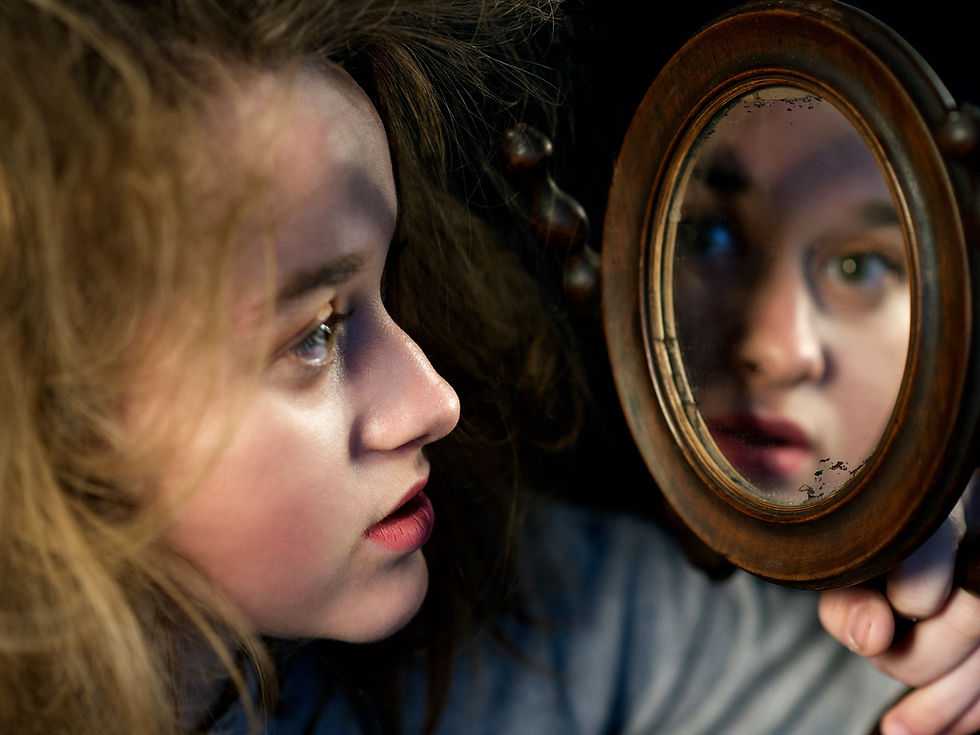
Photographs in which a person recognizes themselves. Photographs that are not just images, but mirrors.
Capturing a Better Version of Oneself
One of the most beautiful moments in my work is when a client sees the final photograph and says: “This is me… but better.”
It is not about retouching or styling. It is about capturing potential. About the moment when a person sees themselves in a way they may not usually perceive—more confident, calmer, stronger. And if this is achieved, we have succeeded.
Photographs That Mature Over Time
An interesting psychological aspect is how we perceive photographs over time. Often, we connect with certain images only after a while. Photographs mature. With distance, we can see in them something we did not notice before—an emotion, an atmosphere, a piece of ourselves, and perhaps a certain nostalgia. And if a photograph is connected to a strong experience during the shoot, its value grows even more.
Photography Is Not Only for the “Chosen”
Many people feel that photography is not for them. That they are not photogenic, that they don’t know how to pose, that they do not feel comfortable in front of the lens. My experience is quite the opposite.
Photography is for anyone who wants to take a moment for themselves. Who wants to experience something extraordinary. Who wants to create a memory they will return to. Because it is not just about the final photographs. It is about the whole process.
Conclusion
A session with me is not just about a photograph with a smile. It is about experience, exploration, and the moment when you pause for a while.
And two hours?
They often pass for us like a single fleeting moment—but one that stays forever.
That is why photographs are created that you do not just store, but want to display.


Comments